Symposium: Baroque Connections in Colonial México. Science, Mathematics, and Society
Puebla, México | 16-17 February 2026
This Symposium is sponsored by Biblioteca Histórica José María Lafragua, the Social Sciences and Humanities Institute “Alfonso Vélez Pliego” (Benemérita Universidad Autónoma de Puebla), Simon Fraser University, the Social Sciences and Humanities Research Council of Canada, and Adelphi University. The event is an opportunity to bring together scholars interested in the complex history of baroque mathematics, science, and culture in colonial New Spain. The theme is focused on the tensions within 17th century science where speculative thought and occult ideas were mixed with careful observation and the centering of mathematical reason and instruments. Connections with other kinds of knowledges will be explored (theology, geography, and history), emphasizing the key role of texts and writing. This two-day event convenes in Puebla where baroque and creole cultural expression flourished, and where historical archives founded in the 17th century offer rich collections of books and manuscripts, including texts by scientists and polymaths such as Juan Caramuel, Gregoire de Saint-Vincent, Atanasio Kircher, Antonio de Alcala y Mendolia, Carlos de Sigüenza y Gongora, and many others. The symposium aims to build scholarly networks and interdisciplinary understanding of the nature of baroque thought in New Spain, shedding light on how mathematics and science were shaped in this important historical period and contested colonial context. We are pleased to announce that the presentations delivered at this symposium will be published in the official proceedings. Presenting authors are kindly invited to submit their full papers for inclusion in this forthcoming publication. Further details regarding the publication process will be announced subsequently.
(Scroll down to read the abstracts)
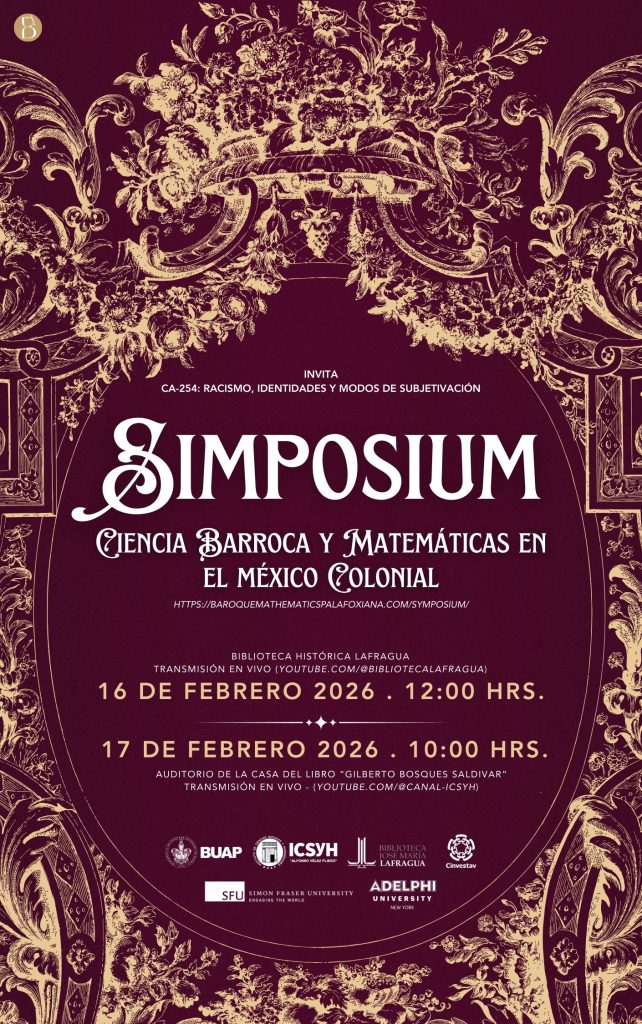
Day 1: February 16th 12:00-16:00
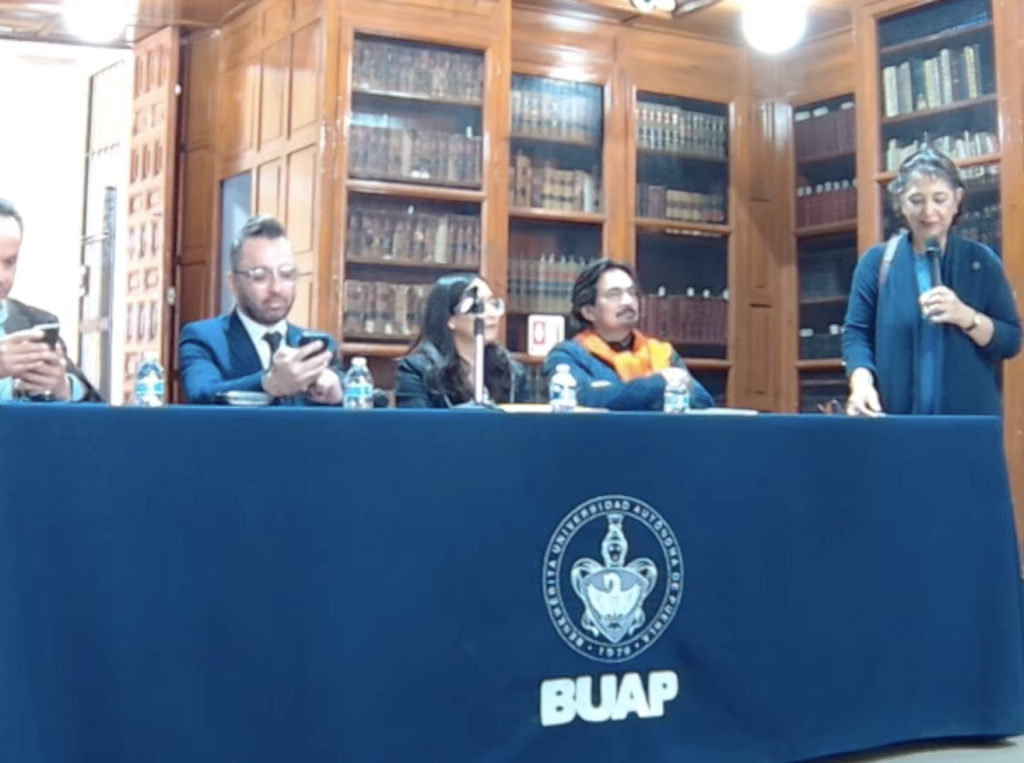
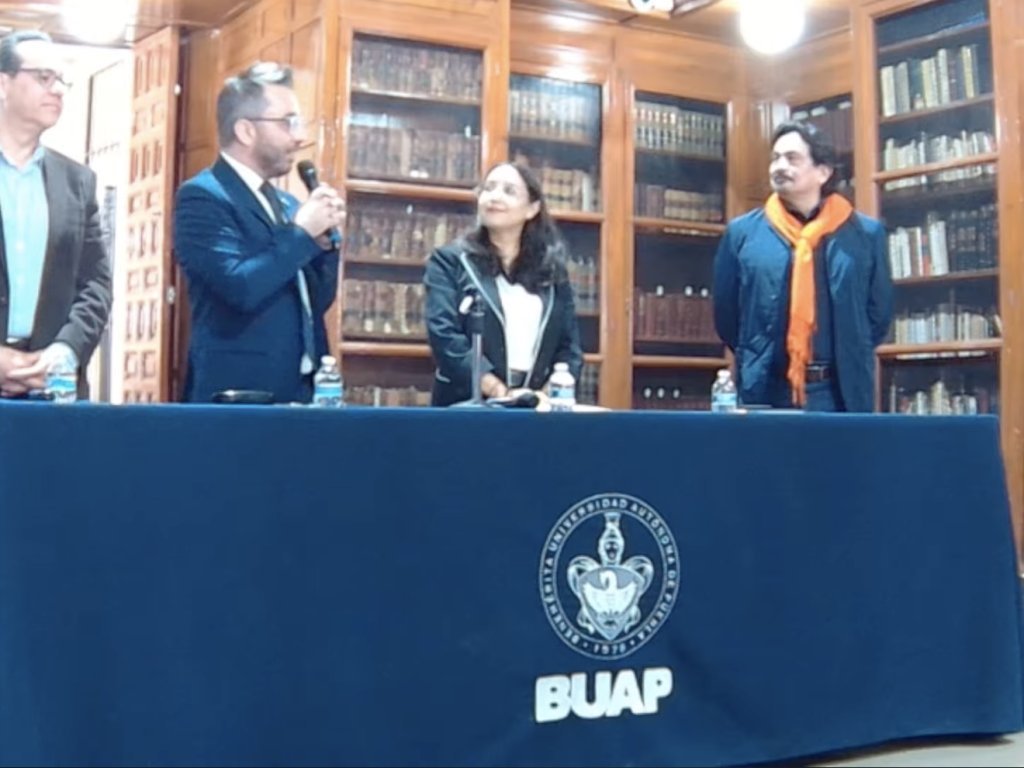
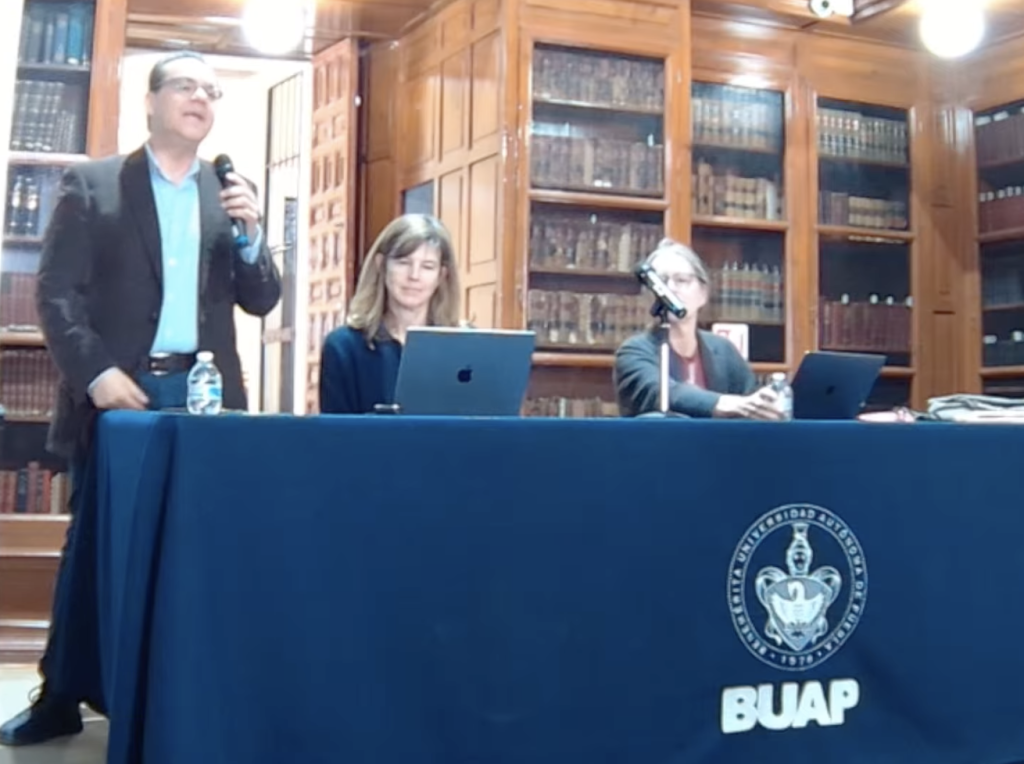
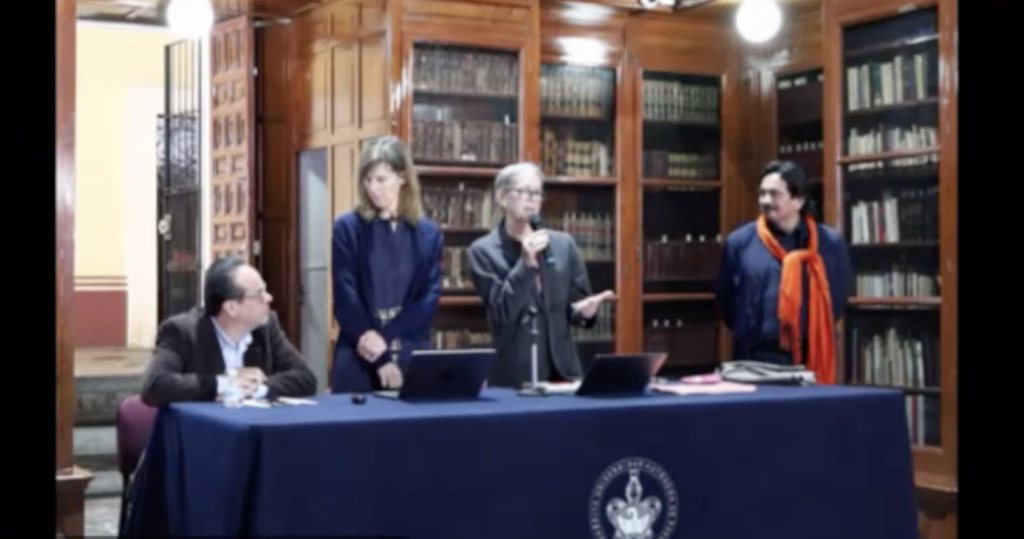
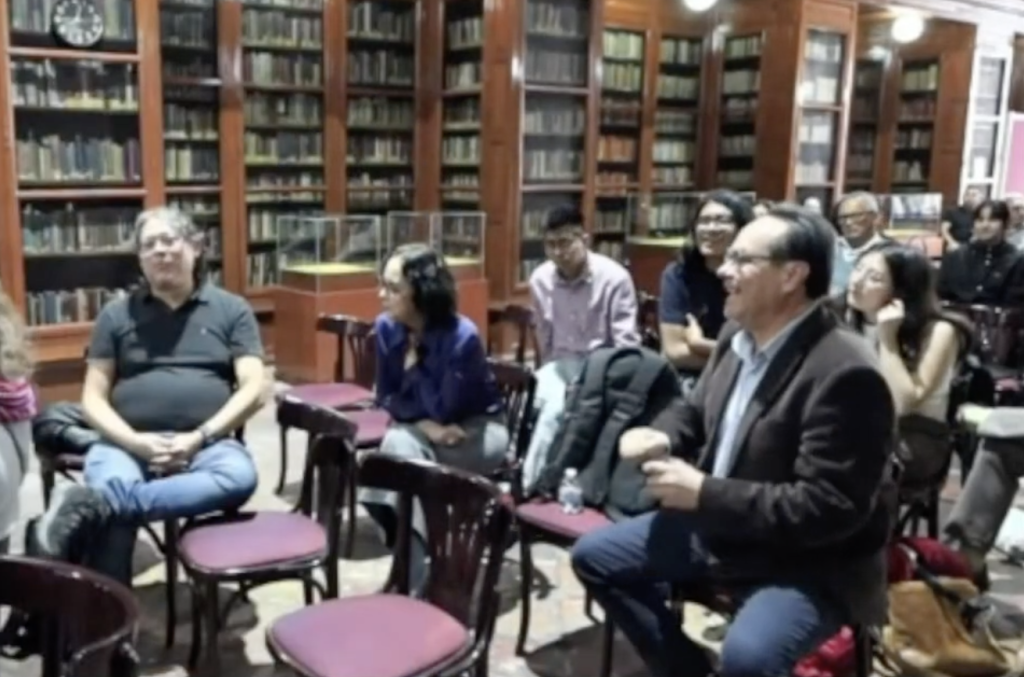
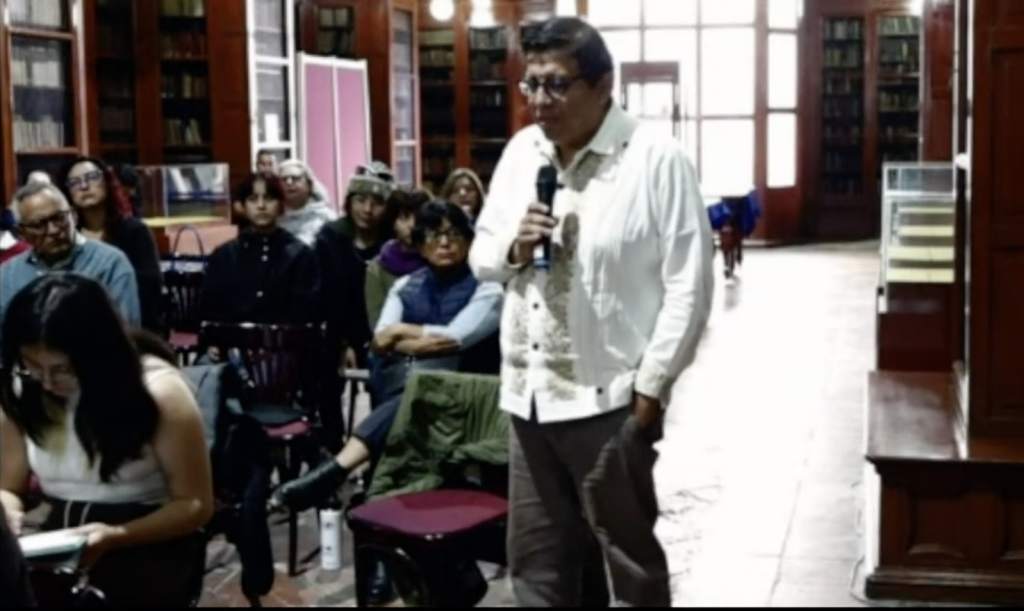
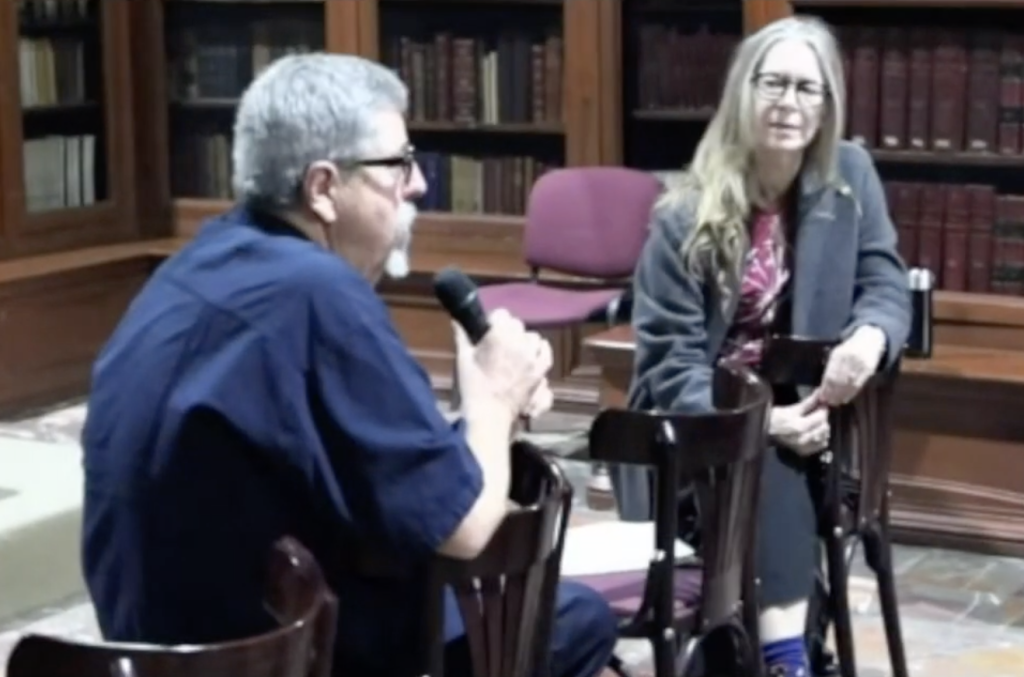
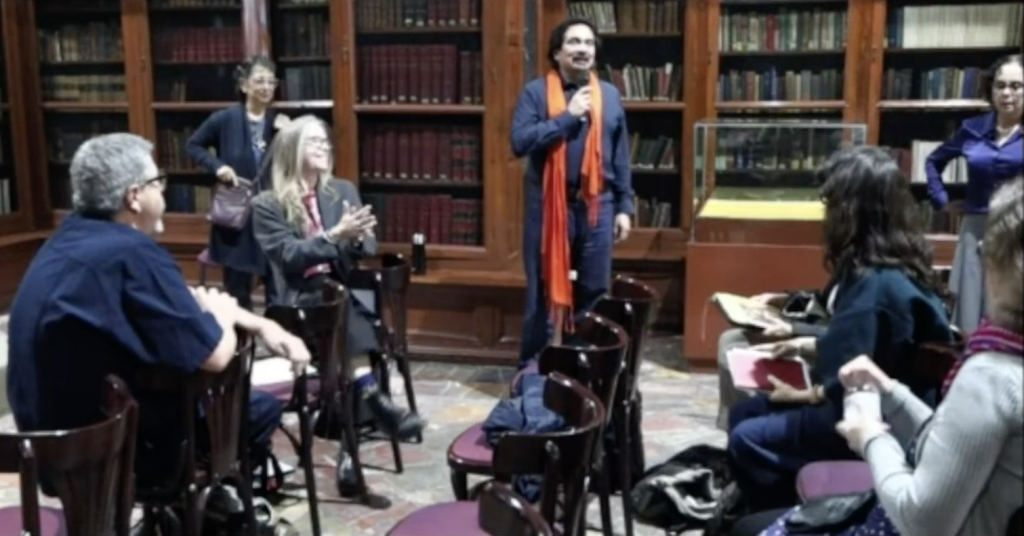
Location: Biblioteca Histórica José María Lafragua – BUAP (Entrada: Juan de Palafox y Mendóza 407), Centro Stórico
YouTube channel: https://www.youtube.com/live/7xpXryc7ACs?si=yvR1upiO9ZbD7kru
https://www.youtube.com/live/DWVwJfFi18o?si=jdzLTTQ4lCPp04_F
12:00-12:30: Inauguration/Welcome
12:30-13:00: Introduction: Nathalie Sinclair, Elizabeth de Freitas, Carlos Hugo Zayas, Armando Solares Rojas
13:00-13:30: Presentation 2: Fabián Valdivia Pérez
13:30-14:00: Presentation 3: Laura Cházaro García
14:00-14:30: Coffee Break
14:30-15:00: Presentation 4: Robert Jackson
15:00-15:30: Presentation 5: Carlos Hugo Zayas
15:30-16:00: Discussion and Connections
Day 2: February 17th, 10:00-16:00
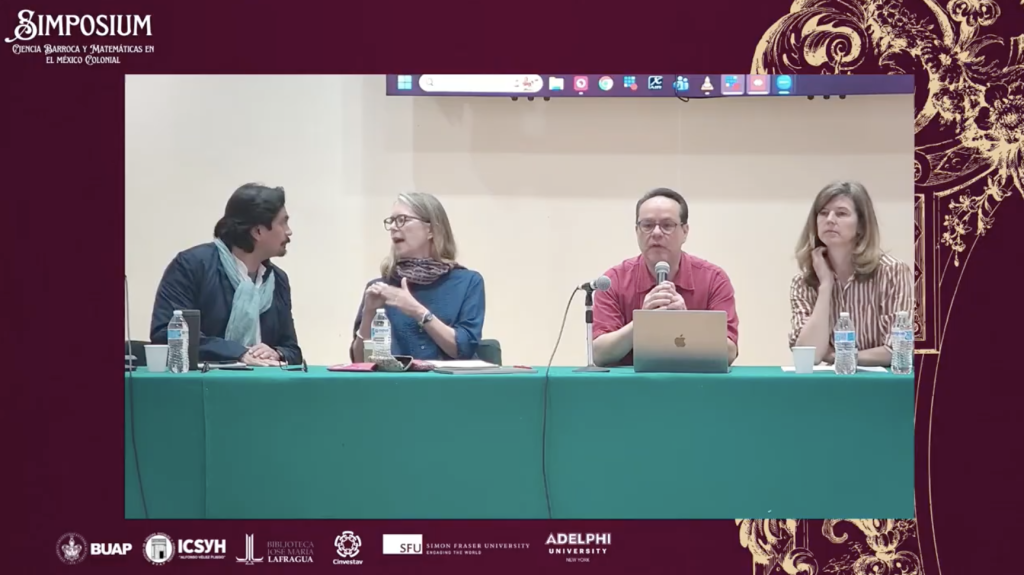
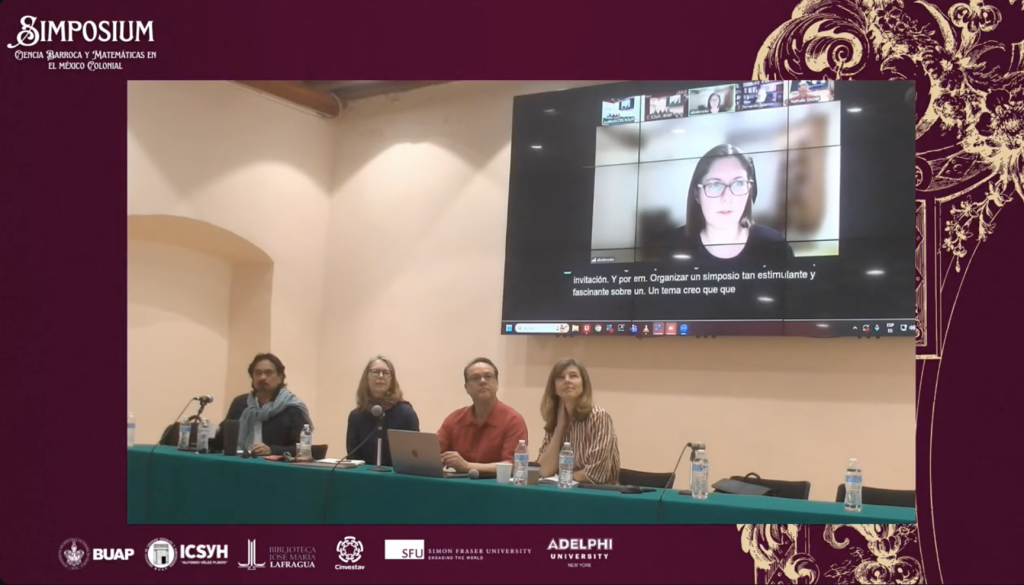
Location: Casa del Libro Gilberto Bosques Saldívar – ICSyH – BUAP (6 oriente 203), Centro histórico
YouTube channel: https://www.youtube.com/live/SFIU88joqwU?si=O2rJ799fip4Z_-0n ;
https://www.youtube.com/live/F23vqvloEOk?si=kAA-m6qt_ZQ0H1PL
10:00–10:15: Introduction: Nathalie Sinclair, Elizabeth de Freitas, Carlos Hugo Zayas, Armando Solares Rojas
10:15–10:45: Presentation 1: Raz Chen-Morris
10:45–11:15: Presentation 2: Fernando Zalamea
11:15–11:30: Coffee Break
11:30–12:00: Presentation 3: Alice Brooks
12:00–12:30: Discussion
12:30–13:30: Lunch at the Hotel Colonial
13:45–14:15: Presentation 4: Carlos Ziller
14:15–14:45: Presentation 5: Andrew Cashner
14:45–15:00: Coffee Break
15:00–15:30: Presentation 6: Nydia Pineda de Aliva
15:30–16:00: Discussion and Synthesis
The Physics of Motion in Sor Juana’s Respuesta
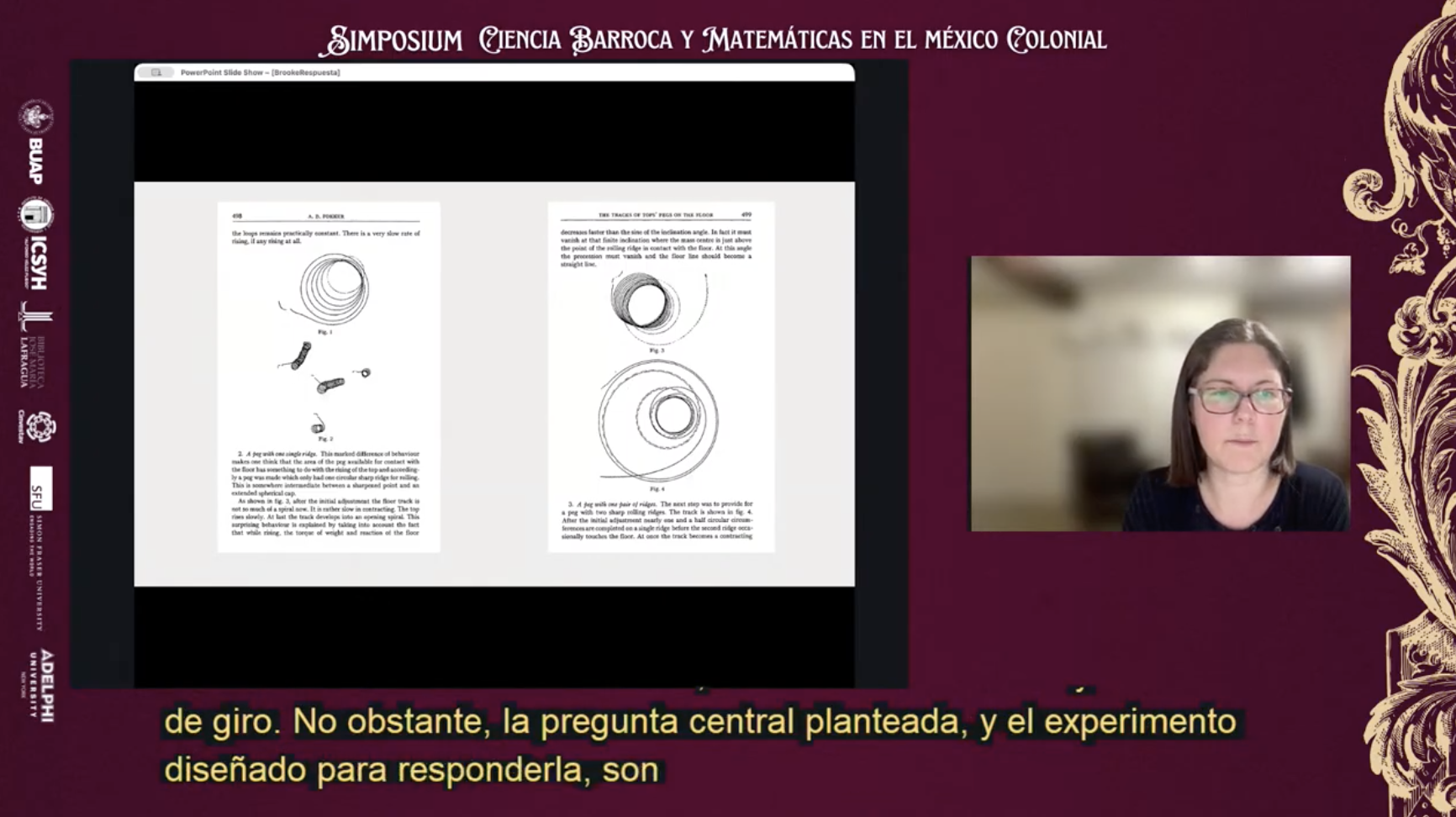
In her letter of March 1691, the Respuesta a sor Filotea,Sor Juana Inés de la Cruz recounts several observational experiences that prompt her to speculate about the physical laws of the universe. As several critics have commented, these passages have several points of interest for our understanding of the development of epistemological models across the late-seventeenth century Hispanic world, specifically as they point towards a growing trend towards observation and empirical enquiry. This paper will challenge some of those assertions, arguing that Sor Juana’s understanding of motion in this text is both more mathematically advanced and more indebted to Aristotelian and post-Aristotelian thought than has heretofore been acknowledged. In doing so, it also calls into question the reliability of her claims that the basis of her text is her own experience, rather than bookish learning, demonstrating instead the extent to which she draws on scientific texts in her writing, all while casting her conclusions in language that conceals their origins.
Building a Music Computer in Seventeenth-Century Puebla
 .
.
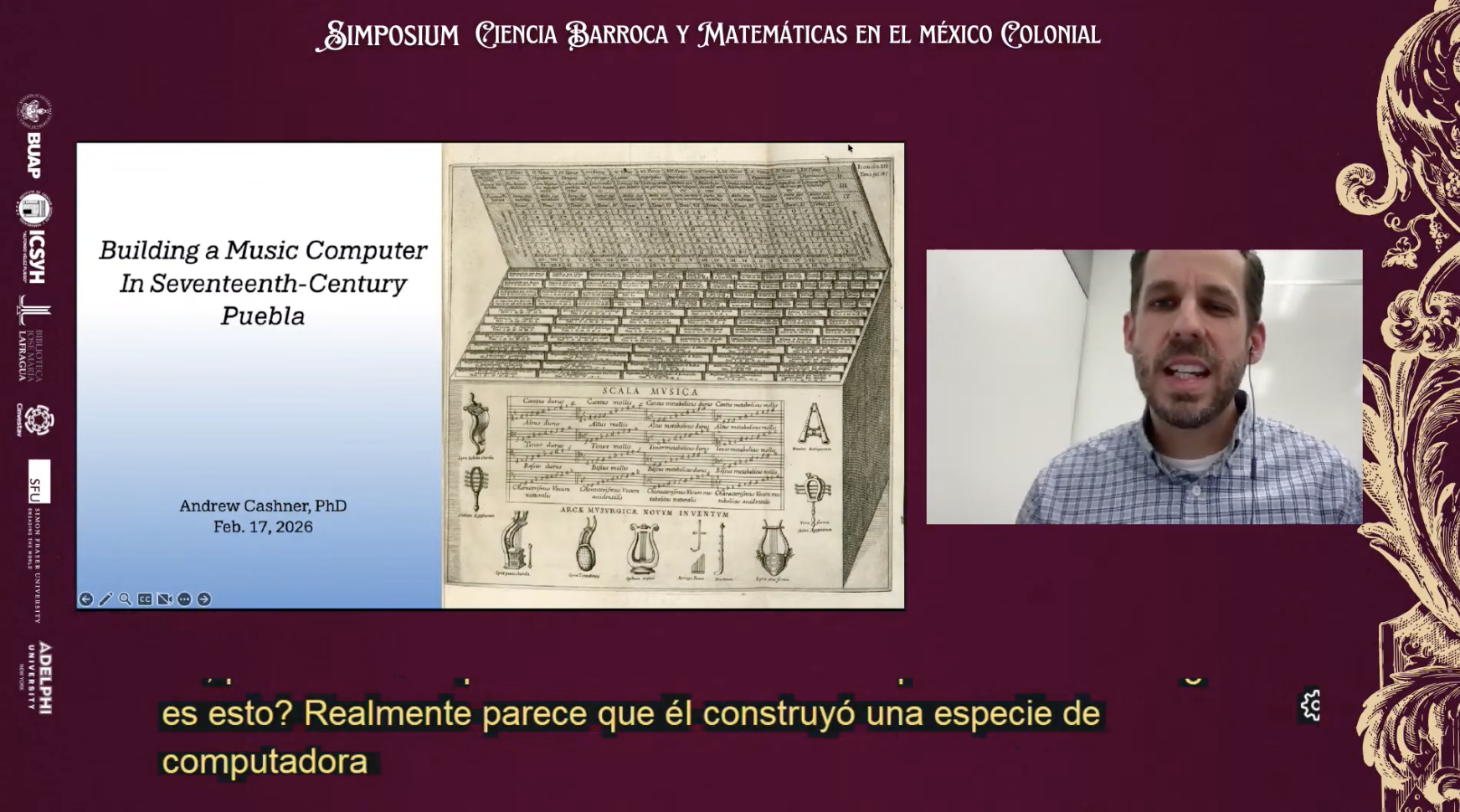
In 1650 Jesuit polymath Athanasius Kircher published his description of the Arca musarithmica, a device for automatic music composition which he intended as a physical epitome of musical knowledge, and a demonstration of the mathematical combinatorics that underlay music. Only four physical implementations of this “Box for Computing Music” were known to have survived, until I discovered a partial copy of the device’s data tables in a manuscript miscellany in Puebla’s Biblioteca Palafoxiana—the first copy found in the New World. The miscellany includes enough of Kircher’s tables of numbers and music symbols to operate the device, sandwiched between attempts to trisect the angle, construct a universal chronology, and notes on astrology, chemistry, and tax accounting. The manuscript opens a window into the intellectual interests of Puebla’s community of science and math enthusiasts of the speculatively-inclined type Sor Juana labelled as “Kircherizers.” Kircher’s device embodies a complete and mostly automatic algorithm for composing music from prebuilt cells and includes many of the features of a modern computer, as demonstrated by my software implementation. At the same time, the concepts of music built into the Arca exemplify the tensions between the old and new science, the ancients and moderns, that run through all Kircher’s work, and which, as the Puebla miscellany shows, also posed an intriguing puzzle for the learned elite of colonial New Spain.
Travels of Mathematical Instruments: Local Practices and Their Global Adaptation
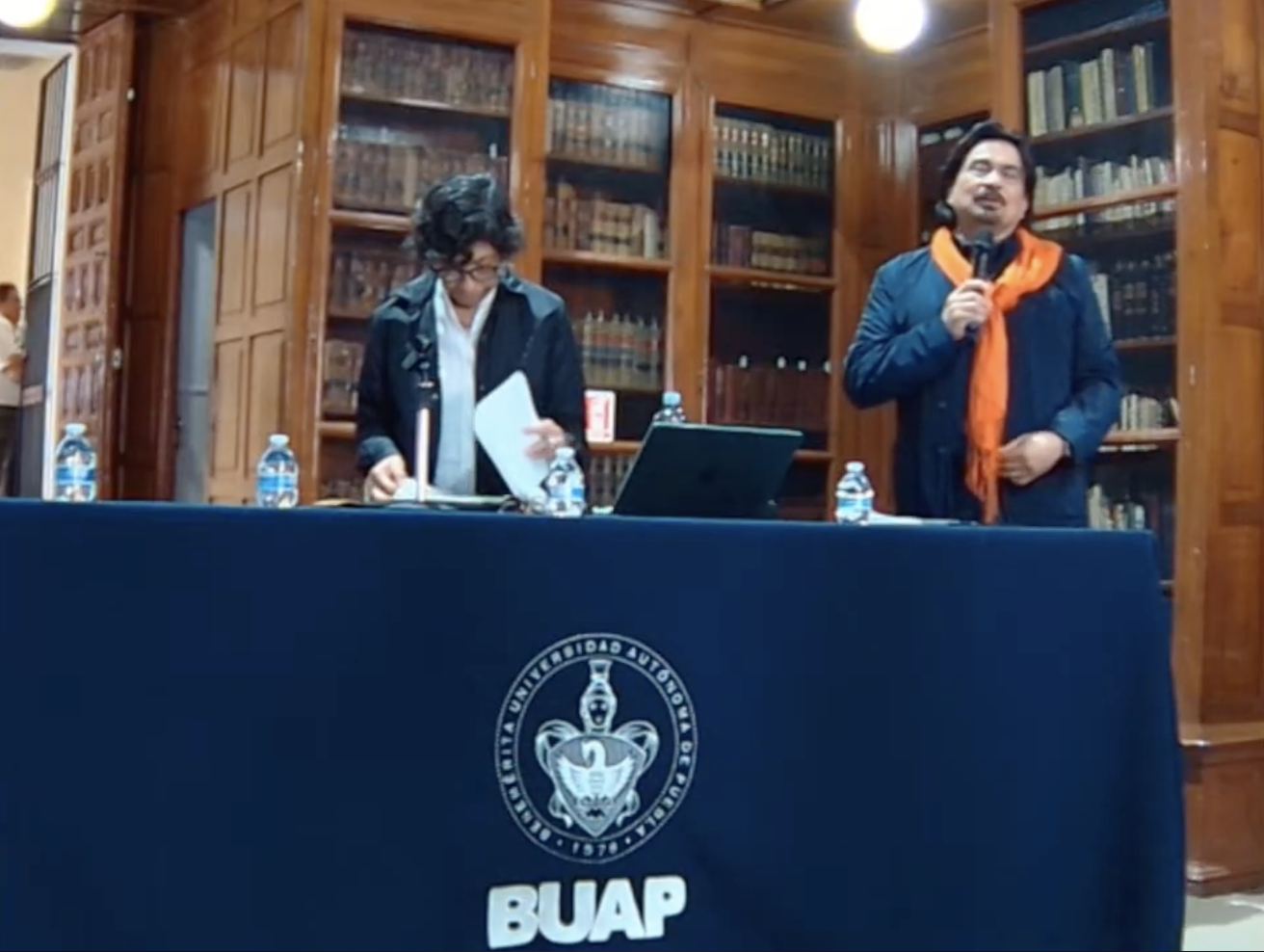
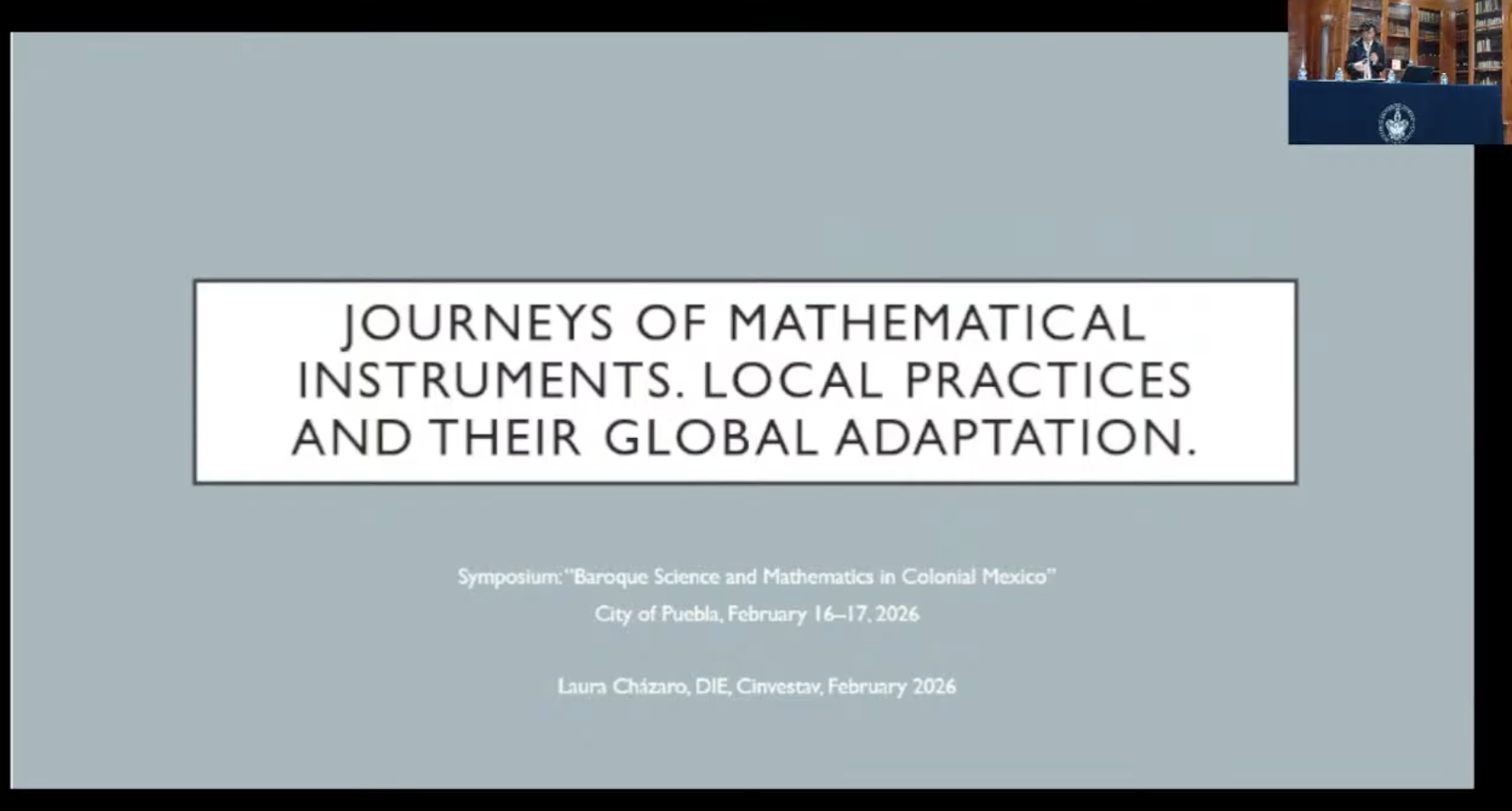
This paper examines, from a material perspective, the ways in which observations, measurements, and knowledge were produced through astronomical measuring instruments. To this end, I focus on the instrumental practices of those whom historiography has rendered invisible: “technicians,” that is, artisans whose gestures and forms of making participated in astronomical measurements. Many of them were instrument makers or repairers. My argument is that the invisibility of their collaborations reveals the complex hierarchical relationships within which knowledge is produced—between the astronomer and the repairer, and between both of them and the instruments. I situate my analysis at the end of the colonial period, during the stay of the royal visitador José de Gálvez (1720–1787), a moment considered the apogee of the Enlightenment in New Spain (1761–1771), when the astronomical phenomenon of the transit of Venus across the disk of the sun (1763) took place. This event was observed in the Californias, where three expeditions of astronomers and mathematicians converged: one organized by the Observatoire de Paris (then directed by César-François Cassini de Thury, Cassini III), led by Abbé Chappe d’Auteroche and the engineer Jean-Michel Pauly; another sent by King Charles III of Spain, headed by lieutenants Vicente de Doz and Salvador de Medina; and the observations carried out by Joaquín Velázquez de León (1732–1786) and his servants. Historiography generally foregrounds the Enlightenment spirit and the accuracy of the astronomical measurements made by the Franco-Spanish commission, emphasizing the precision achieved by each group, without considering that, on the ground, different instrumental practices—endowed with different forms of legitimacy—were confronting one another. This case not only reveals the importance of the practices of repairers and of the servants who accompanied these observations, showing that they participated in scientific production; it also shows that observation practices supported by astronomical instruments entail agonistic relationships and global disputes over the production of legitimate data. The “mute” instruments and the invisible repairers and artisans were subjected to different hierarchies and legitimacies. In this event-encounter, local measurements and instruments (from New Spain) were ignored in favor of what was produced by European instruments, rendering invisible their Hispanic and French servants and repairers. Undoubtedly, in 1763 in California, practices and instruments confronted one another in which the production of observations to determine a unit of measure (solar parallax) was shaped by complex relationships among actors, technicians, astronomers, and instruments.
Baroque fantasies, telescopes, and senses of sovereignty
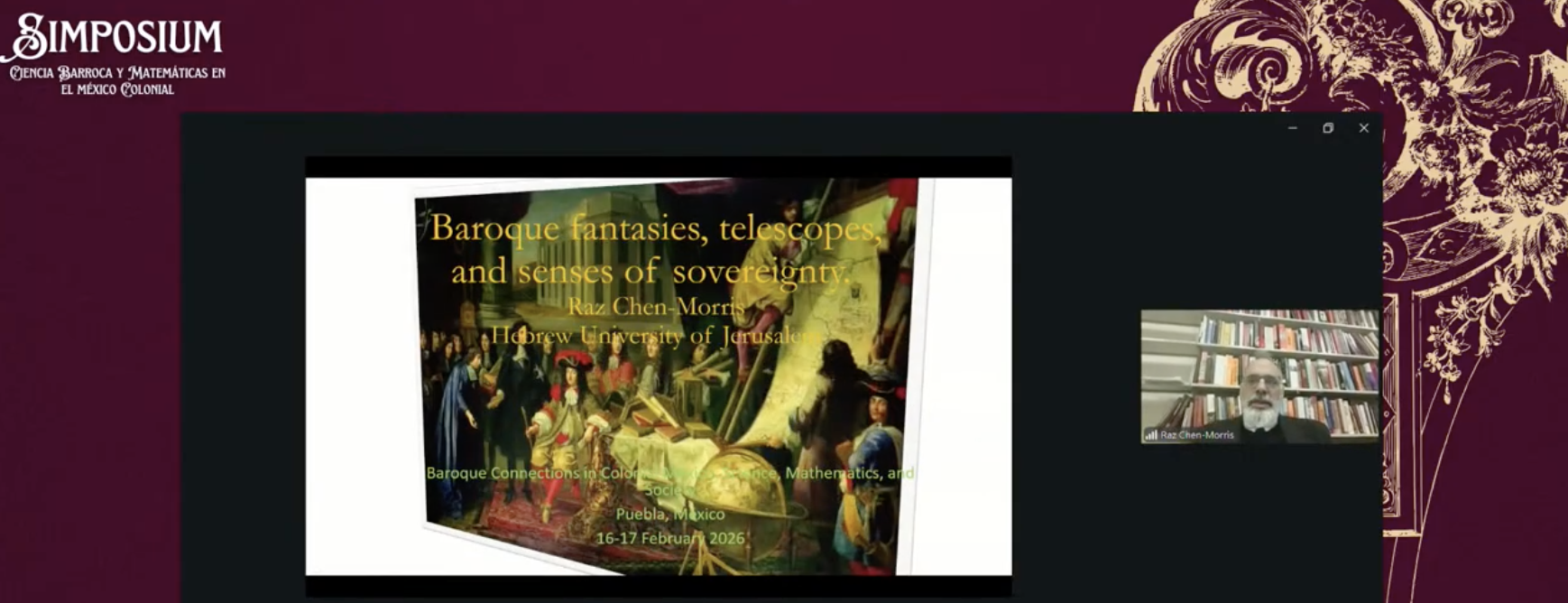
A key aspect of Baroque science is that the human sensory system does not have direct, immediate access to reality; therefore, human-made instruments are better tools for acquiring knowledge. This paper will expand on this initial insight by proposing that the introduction of the telescope at the end of the first decade of the 17th century created new ways of producing knowledge. The telescope not only revealed the shapes of the lunar surface but also highlighted aspects of Baroque science itself. The distorted shapes of both concave and convex lenses emphasized a new epistemological dynamic that favored human manipulation over passive observation or contemplative reading, thereby unleashing the power of imagination to reimagine the world.
By tracing narratives of travel to the Moon, this paper will offer a perspective on this dynamic and on how it influenced the fraught relationship between knowledge and power during this era. Tracing the thread from Johannes Kepler’s Somniumthrough John Wilkins’ The Discovery of a World in the Moone to Christian Huygens’ Cosmotheoros illustrates the rise and decline of scientific imagination and its reciprocal relationship with the emerging conceptions of sovereignty.
The Finances of the Jesuit Baroque in New Spain
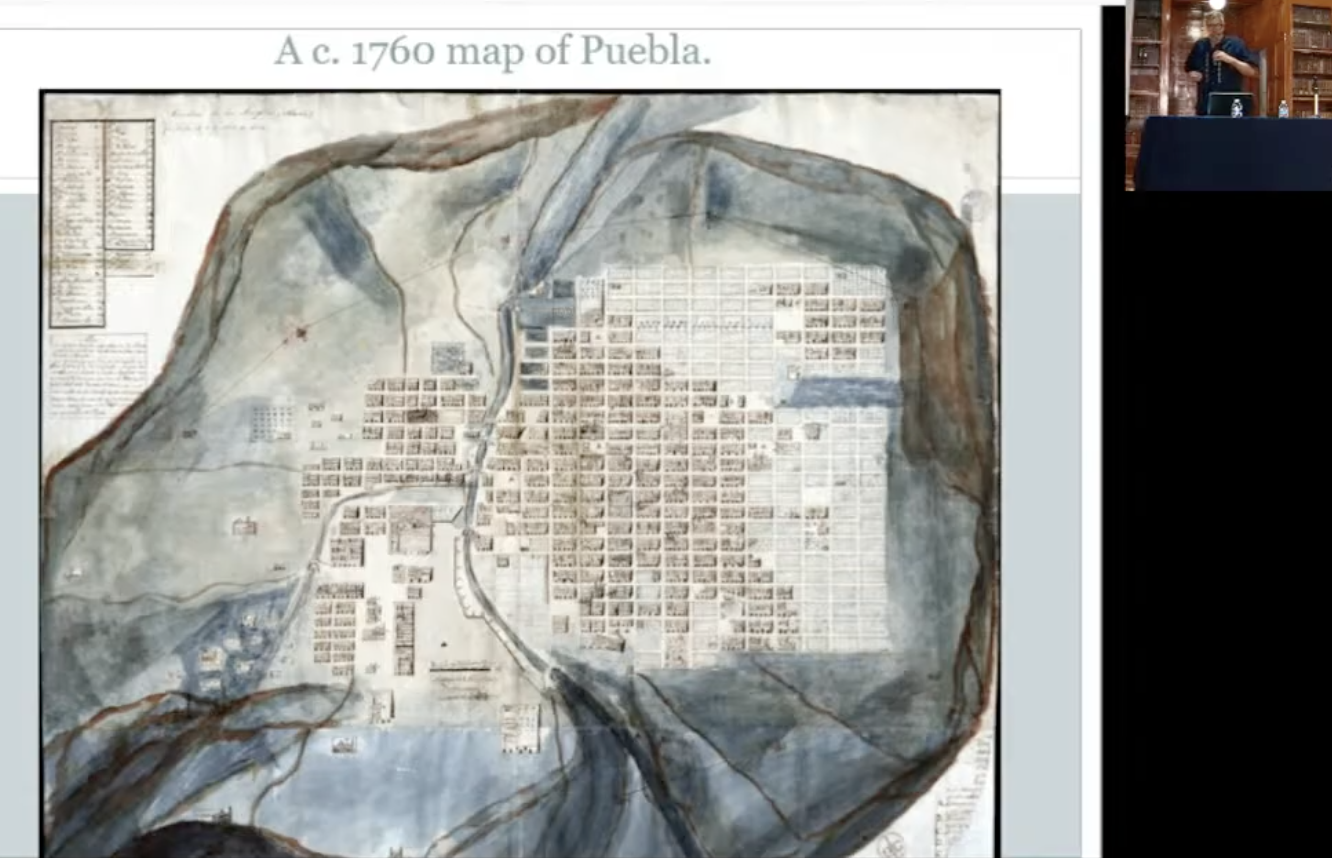
The Society of Jesus established a network of colegios and residencias across New Spain. In 1767, at the time of the expulsion of the Jesuits from all Spanish territories, there were 25 colegios, five residencias, one novitiate, and one casa profesa in the Province of New Spain (that included Cuba and Guatemala). Each institution received donations to support their activities, and acquired urban and rural properties and censos that generated interest income. The income supported the colegios/residencias, their educational programs, and extensive building projects. However, there was considerable inequality in the resources and income of the different institutions. Five well-endowed institutions received some 70 percent of all income, and the others broke even or accumulated debt. The disparity between the colegios/residencias can be documented in the ability of the well-endowed colegios to build and decorate extensive building complexes on a larger scale than less well-endowed institutions. This presentation documents the different complex sizes and baroque decoration of two colegios in Puebla , Espiritu Santo and San Jeronimo. Espiritu Santo was one of the five well-endowed colegios. It also documents the case of Santisima Trinidad in Guanajuato that assumed debt to build an elegant baroque church.
The astronomer in seventeenth-century New Spain: the case of Carlos de Sigüenza y Góngora (1645-1700)
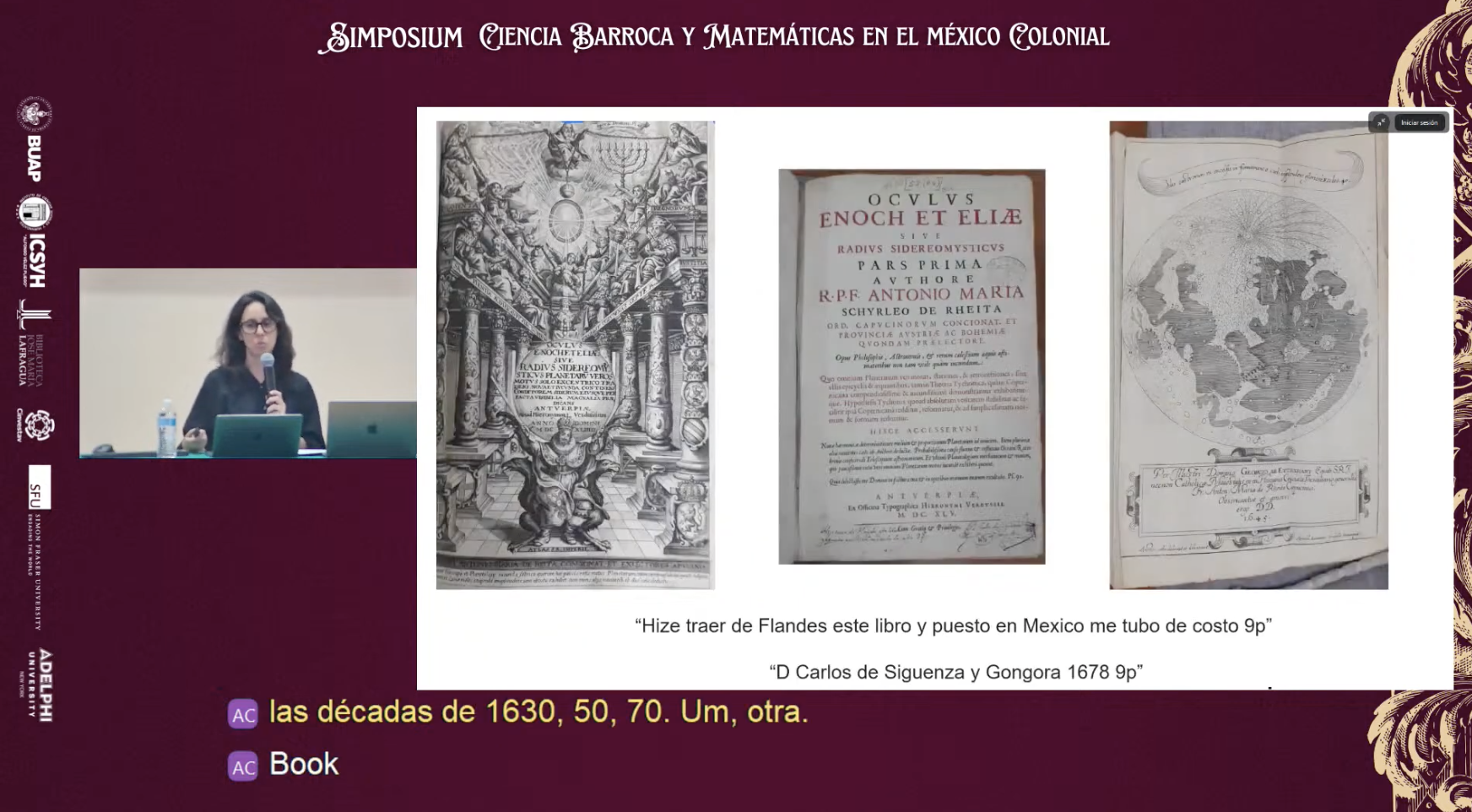
Carlos de Sigüenza y Góngora is best known as the polymath who rejected scholasticism and enacted baroque aesthetics to convey cosmopolitan aspirations in New Spain. A multifaceted figure in the history of science, he bridged lay and religious viceregal institutions as almanac maker, chronicler, royal cosmographer, university professor, censor, accountant, and chaplain. In this paper, my aim is to delve into the ways in which Sigüenza forged his identity as an astronomer-mathematician across institutions and literary genres. This paper will also examine the ways in which his contemporary audience participated in the construction of the public portrayal of this scholar through citations, licenses, prefaces, and manuscript reader’s annotations. By examining the dynamics between the author and his audience, I will argue that the astronomer-mathematician’s role was crafted collectively in a tightly woven and hierarchical political sphere that actively addressed contemporary European epistemological debates. From this perspective, Sigüenza was not an isolated case of “scientific modernity” but one visible proponent of a dynamic scholarly culture in central New Spain.
 .
.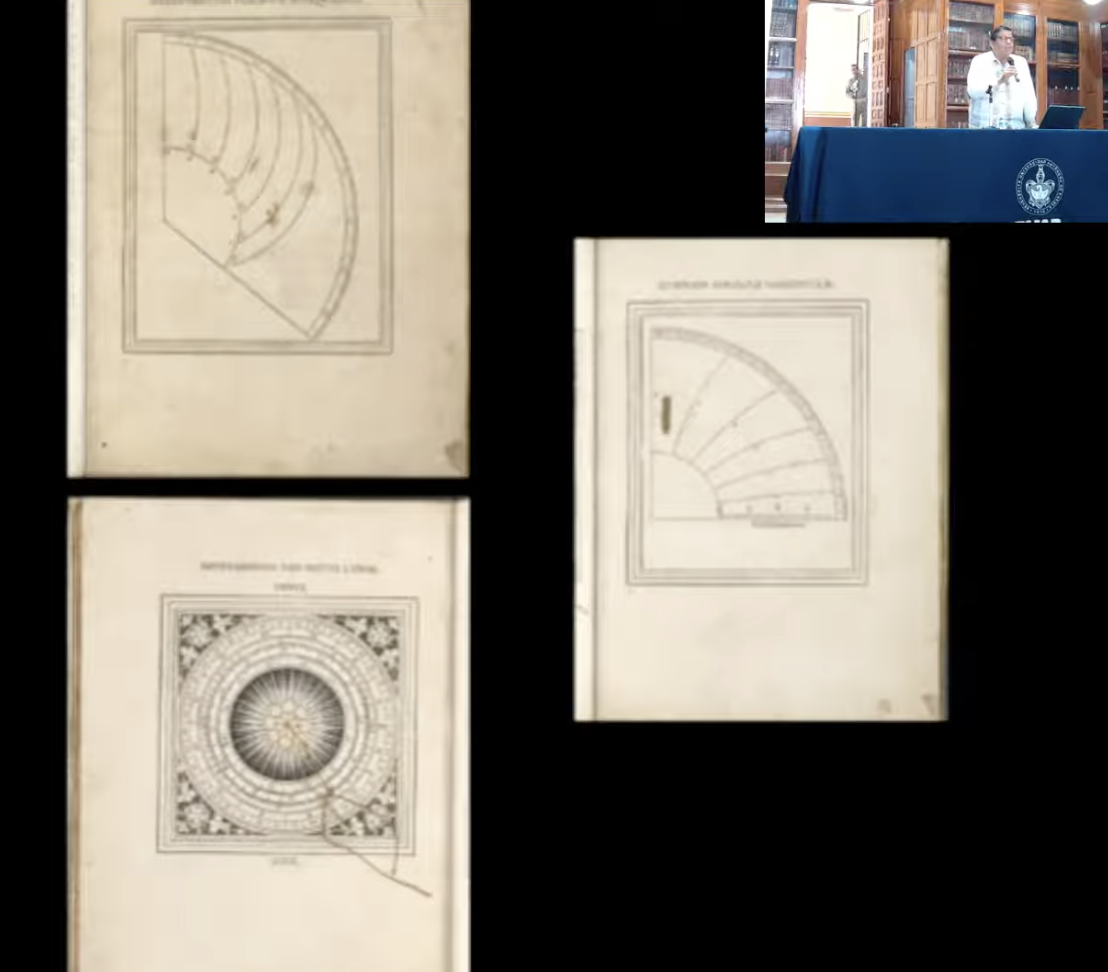
Mathematical visualization: the european heritage of printed diagrams and editorial dispositives in the manuscript “Geometría Fundamental” writed by the polymath from Puebla, Antonio de Alcalá y Mendiola.
The polymath from Puebla, Antonio de Alcalá y Mendiola (1658-1741), wrote a several mathematical works, preserved in the collection of the “Biblioteca Palafoxiana” located in Puebla, México.
The treatise “Geometría Fundamental” is an example of the value that Antonio Alcalá gave to the text-image relationship for the writing of his mathematical works, an interest that flourished in New Spain and that is fundamental for the concept of Baroque Science. Alcalá drew the diagrams of the treatise on separated sheets, folded at the end of the manuscript. This editorial dispositive, used in several mathematical books printed in Europe, allows the reading of several pages while observing the diagrams on the unfolded sheet. This communication present the analysis of the textual and visual estructure of the manuscript treatise “Geometry Fundamental”, as an example of Antonio de Alcalá’s mathematical contribution based on the appropriation of this editorial dispositive used likestrategy for transmission of mathematical knowledge through the visualization of technical images.
A Comparison of Scientific Motives in the Arts of New Spain and New Granada, 1600-1760
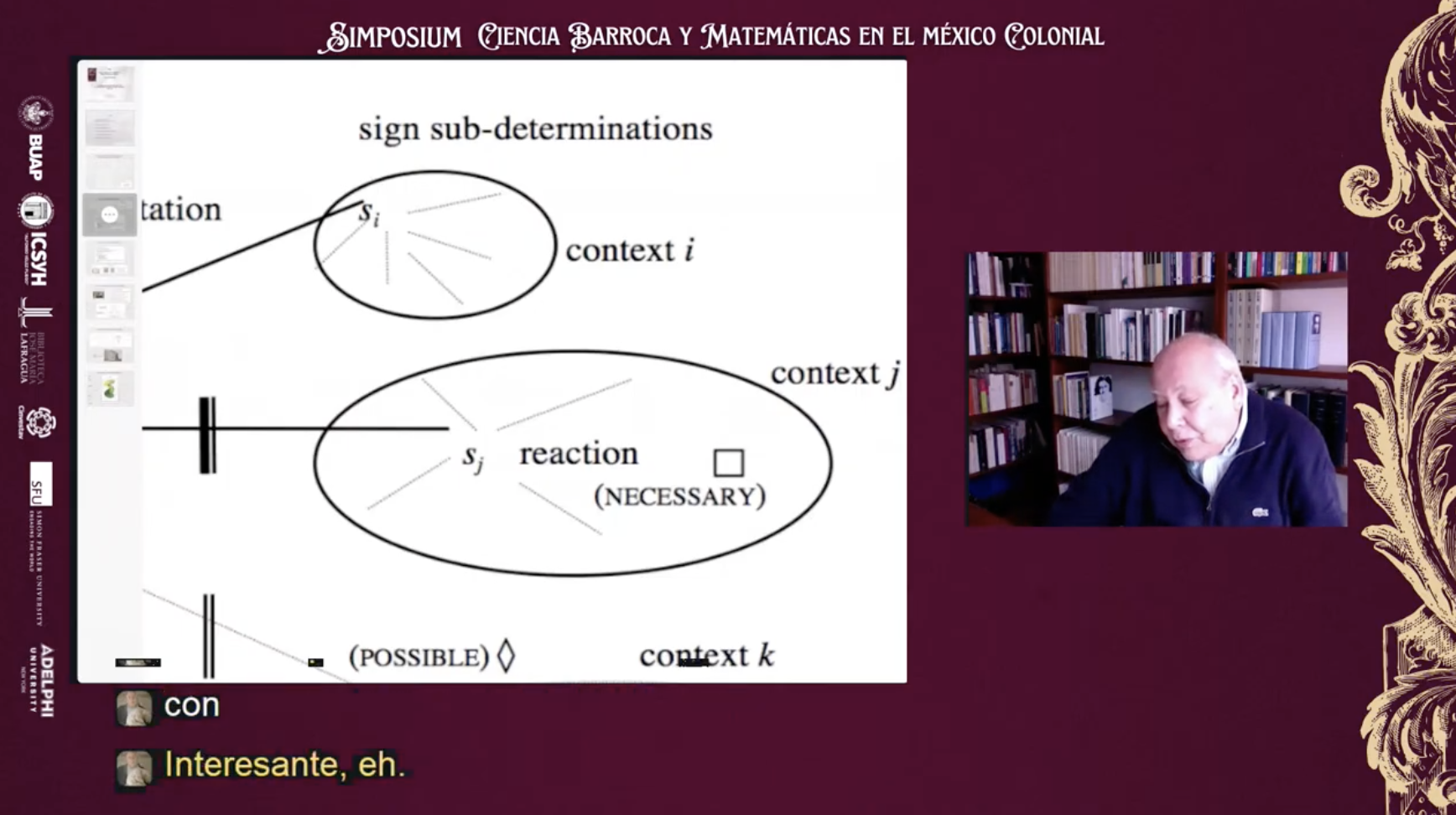 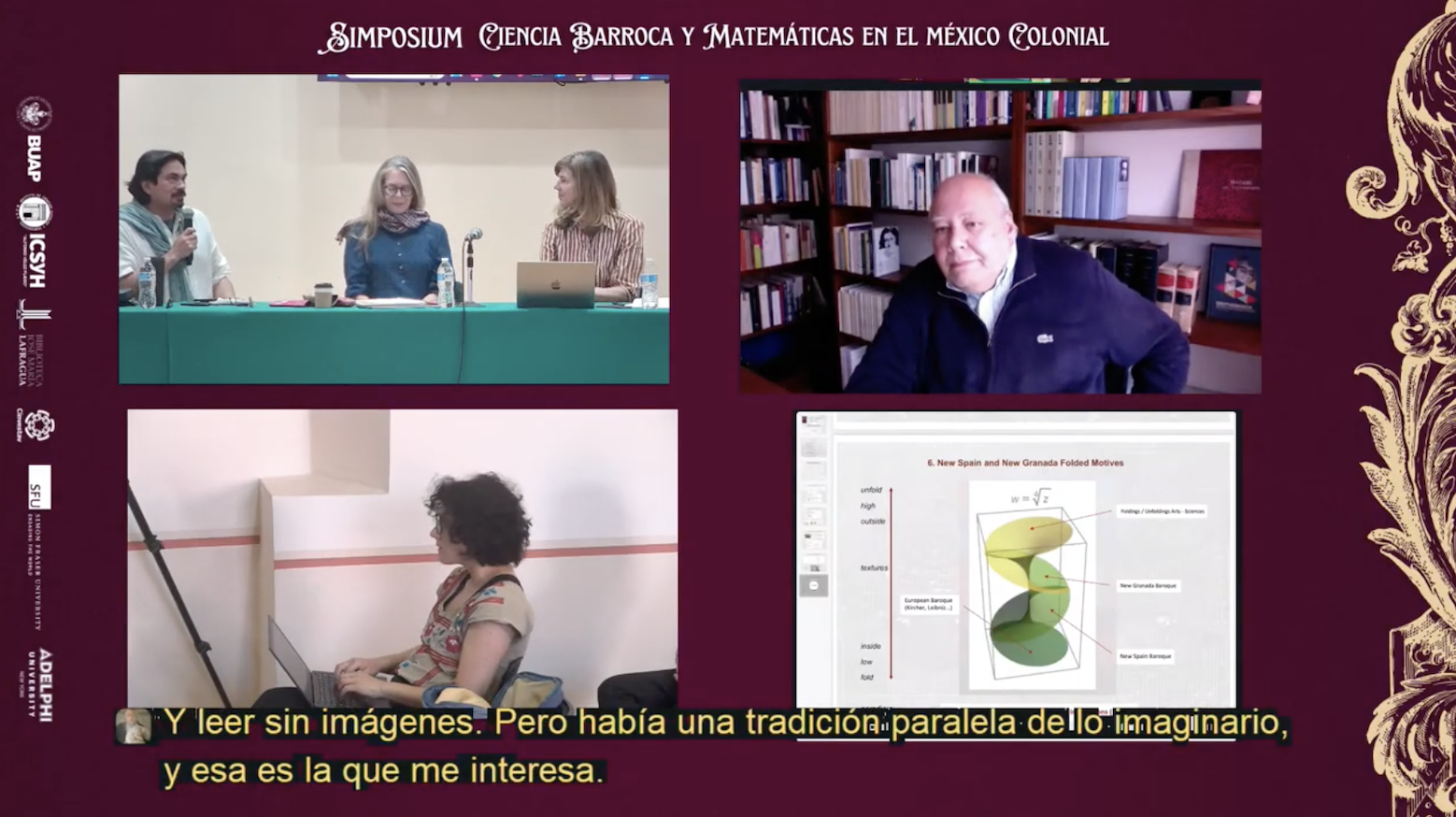 We present a catalogue of some scientific motives in the arts of New Spain (NS) and New Granada (NG), in the period 1600-1760, and we characterize the NG context as indicial discrete, opposed to the NS context as symbolic dense, using C.S. Peirce semiotics. We present the contrast using Deleuze’s Fold (1988), and extend the situation to our contemporary realm, through Grothendieck’s theory of sheaves (folding and unfolding of mathematical structures, 1950-1990). |
Religion and Science in the lives of St. Francis Xavier
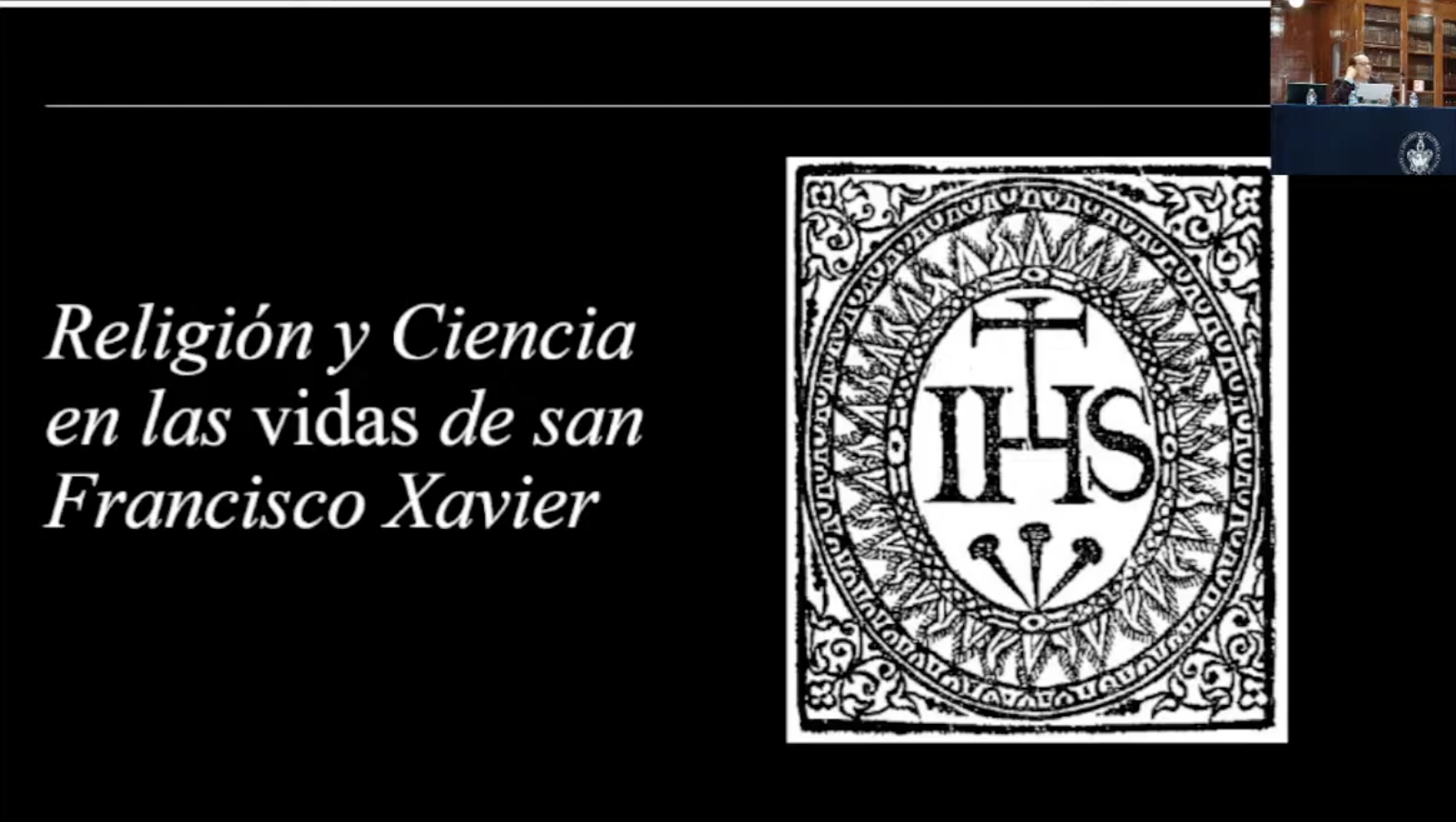
During the early modern period, the Society of Jesus emerged as one of the most significant scientific organizations in the world. By synthesizing a rigorous religious devotion with a global and sophisticated approach to the natural world, they shaped a unique “scientific culture.” In this way, the relationship between Jesuit scientific culture and hagiography (the writing of the lives of saints) was not a conflict between “facts” and “faith.” Conversely, they were two sides of the same coin: both were tools used by the Society of Jesus to categorize, document, and disseminate the “glory of God” on a global stage.The study explores the construction of the figure of St. Francis Xavier as a missionary-scientist model through the analysis of various hagiographies written about him. Although he was not a scientist, his “miracles” often involved taming nature (calming storms, etc.), which later Jesuit scientists sought to explain through natural law. Thus, scientific achievement was often presented as a form of holiness, and the saint as an intermediary between the natural and supernatural worlds—someone whose actions, as a result of their reading of the world, involved knowledge of both nature and God.
The Ordering of the World in the 17th Century: Determinism and Harmony in Dispute in the Baroque Era
Modern science was still under construction in the 17th century, and it can be said that the nature of knowledge was the subject of fierce philosophical debate. This contrast can be organized into two major alternatives: the first proposed a world determined by natural laws; the second, a harmoniously ordered world. Both addressed long-standing themes and questions in Western thought: the creation and governance of the world, causal order and providence, the order of the world, etc. The dispute continued throughout the century with varying nuances and interpretations. It so happened that the victorious alternatives ended up relegating their opponents to the realm of obsolescence and exoticism, vigorously establishing the new idea of “science” and “laws of nature.” However, this process took a long time, and the scholars who supported the harmonious world continued their work until the beginning of the Age of Enlightenment. To belittle their intellectual production is, in a way, to participate today in a dispute that was resolved at least three centuries ago. After all, Kepler, Fludd, Athanasius Kircher, Marco Marci, Valentin Stansel, and many others, including those from the New World, were not scholars of modest efforts, even though they did not practice the science of “natural laws.”

